Christmas SVG, Santa’s Favorite Nurse
A Designer’s First Look: Charm with Clear Intent
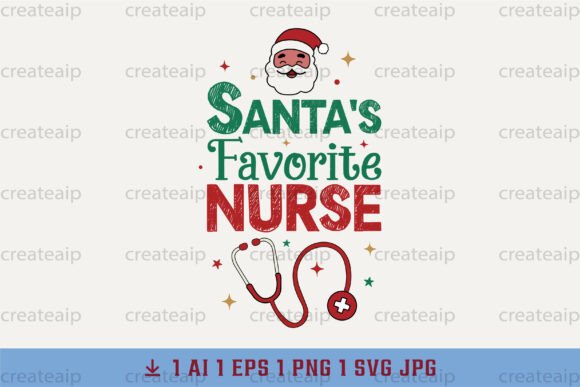
When I opened Christmas SVG, Santa’s Favorite Nurse, I didn’t just see a holiday graphic—I saw a story waiting to land on a real product. It’s warm, slightly playful, and quietly respectful of both nursing professionalism and festive spirit. The composition balances Santa’s familiar silhouette with subtle nurse details—no stethoscope dangling awkwardly or cap tilted too far. Instead, it leans into clean outlines, friendly proportions, and gentle curves that translate well to stitch. As a machine embroidery design, its strength lies in readability at moderate sizes—not overly detailed, but not so simplified it loses character. That makes it ideal for a handmade product meant to spark recognition and a smile, not scrutiny.
Where This Design Truly Shines
I tested Christmas SVG, Santa’s Favorite Nurse as the centerpiece for a custom embroidered tote bag—linen-cotton blend, medium weight, 7-inch hoop. It stitched cleanly, held shape across seams, and read clearly from three feet away. That’s the sweet spot: personalized gifts like baby onesies (for nurse parents), aprons for clinic staff holiday parties, pillow covers for pediatric waiting rooms, or sweatshirt embroidery for nursing school cohorts. It also works beautifully as an embroidered patch—clean edges, balanced fill stitch areas, no fragile filigree that frays after washing.
For Etsy sellers and small shop owners, this design fits naturally into curated holiday collections: think “Nursing-Themed Christmas” bundles alongside mugs, pins, and printable cards. As a T-Shirt Designs asset, it holds up best on crewnecks and relaxed-fit tees—not sheer fabrics or tight athletic cuts where distortion creeps in. Its visual personality leans toward sincerity over sass, so it pairs well with neutral palettes and natural fibers rather than loud neon or metallic finishes.
Real-World Considerations Before You Stitch
Not every surface is forgiving—and Christmas SVG, Santa’s Favorite Nurse isn’t magic. On thin fabric like lightweight poplin or rayon challis, you’ll need tear-away stabilizer *under* and light cutaway *on top* to prevent puckering around the hat brim and sleeve cuffs. On stretchy fabric—think cotton-spandex blends for t-shirts—hoop with spray adhesive and use a light stabilizer layer; dense satin stitch areas (like the belt or cuff details) can distort if tension isn’t dialed in.
Dark fabric demands attention to thread color contrast. The design’s moderate detail means light-colored threads (ivory, soft sage, pale blue) stay legible without needing underlay tricks—but avoid off-white on charcoal unless you’ve tested first. And while it’s labeled a Graphics file, remember: this is a digital embroidery file meant for stitching, not just screen display. Always check how it renders in black-and-white mockups—some subtle shading gets lost, and what looks charming on screen may vanish mid-stitch.
Small Hoop? Curved Surface? Proceed Thoughtfully
If you’re planning caps or curved sleeves, scale down carefully. Below 4 inches wide, the facial features and badge detail soften significantly—still recognizable, but less expressive. For baby embroidery on onesies, stick to 3.5–4.5 inches and skip any optional decorative accents unless your machine handles tiny running stitch loops reliably. Also note: tight corners (like the angle of the belt buckle or glove seam) may require a slight pause in stitching to avoid thread nesting—something to watch during your first test run.
What It Adds to Your Finished Product—Beyond the Stitch
This isn’t just decoration—it’s context. When customers see Christmas SVG, Santa’s Favorite Nurse on a kitchen towel or embroidered patch, they instantly grasp the niche: healthcare + heart + holiday. That builds trust fast. A boutique owner told me she sold three matching sweatshirts (nurse mom, nurse daughter, nurse granddaughter) in one weekend—because the design felt personal, not mass-produced. That’s the value: it supports brand consistency for craft businesses that celebrate real people, not generic tropes.
It also lifts perceived value. Handmade product buyers respond to intentionality—this design doesn’t shout; it invites. That matters for giftability. A holiday gift with this stitched on a linen pillow cover feels considered, not slapped on. And for commercial embroidery projects—say, bulk orders for a hospital’s volunteer appreciation event—it delivers clarity at scale without demanding excessive digitizing tweaks.
Designer Notes You Can’t Skip
- Always test on scrap fabric first—especially if using textured fabric like terry cloth or bouclé.
- Review stitch density before scaling. Some versions of this design pack more fill stitch into the coat than others—check for potential stiffness on soft baby items.
- Confirm hoop size compatibility. If your machine maxes out at 4x4, verify the largest version fits—or be ready to simplify manually.
- Inspect small details at actual stitch size: the star on the cap, the loop of the belt, the curve of the smile—all should hold integrity without micro-trimming.
- Check licensing. Since the listing says “Hi-quality unique Design is-store,” confirm whether commercial use is permitted before selling finished products or bundling into digital embroidery file packs.
- Use proper stabilizer—lightweight cutaway for knits, tear-away for stable wovens, and a touch of water-soluble for delicate applique layers if included.
In short: Christmas SVG, Santa’s Favorite Nurse is a grounded, wearable design—not flashy, but full of quiet confidence. It won’t overwhelm a project, but it will anchor it with warmth and wit. Whether you're prepping for craft fair season, building an Etsy collection, or stitching a heartfelt gift, this one earns its place in your design assets—just treat it like the thoughtful piece it is.