Coffee Nurse Repeat – Nurse SVG
First Impressions: Warm, Whimsical, and Ready for Real Life
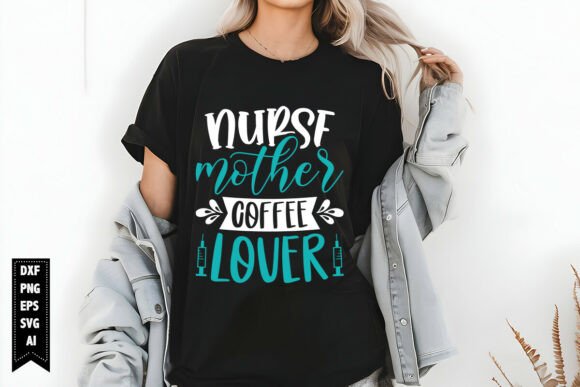
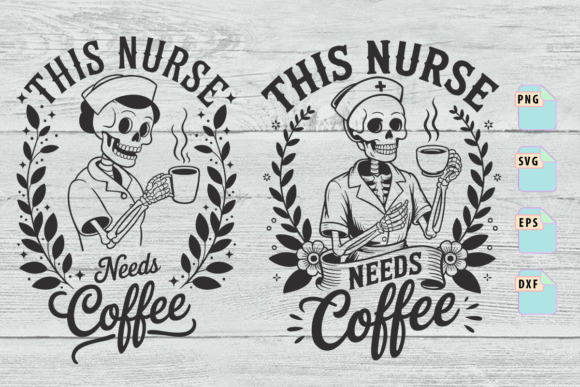
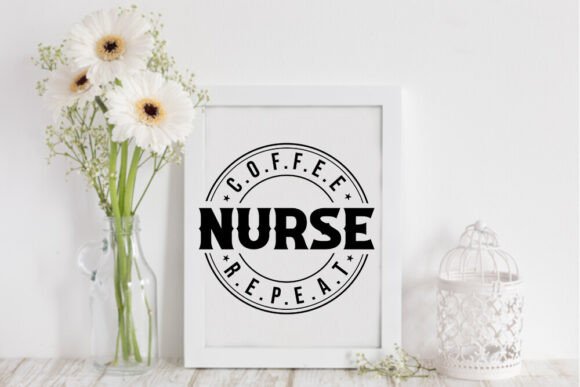
Opening the Coffee Nurse Repeat – Nurse SVG zip feels like unboxing a small, thoughtful gift—clean, organized, and immediately usable. The nurse motif isn’t clinical or stiff; it’s softened by coffee cup accents, gentle curves, and rhythmic repetition that reads as both comforting and clever. It leans into warmth—not just in theme, but in visual rhythm. As an embroidery designer who’s stitched hundreds of healthcare-themed pieces for boutique shops and hospital staff gifts, I appreciate how this avoids cliché. It doesn’t shout “medical professional”—it smiles, steams, and settles comfortably into everyday handmade products.
Where This Design Truly Shines (and Why)
I recently tested Coffee Nurse Repeat – Nurse SVG on a natural linen tote bag destined for a local nurse appreciation event. The repeat pattern flowed beautifully across the fabric’s subtle texture—no crowding, no awkward gaps. That’s the quiet strength of this design: it’s built for rhythm, not rigidity. It works exceptionally well for:
- Tote bag design—the horizontal flow fills space without demanding centering
- Sweatshirt embroidery—especially along the lower hem or sleeve cuff, where the repeat adds subtle personality
- Aprons and tea towels—the coffee-and-care pairing feels authentic, not forced
- Embroidered patch—scaled down, it holds clarity even at 2.5 inches wide
- Baby embroidery—on a onesie or burp cloth, it reads sweet and gender-neutral
- Holiday embroidery—think cozy mug motifs on Christmas kitchen towels or nurse-themed stocking stuffers
What stands out is how naturally it supports storytelling. A customer buying a “coffee nurse” sweatshirt isn’t just buying apparel—they’re signaling pride, humor, resilience. This design carries that weight lightly, which boosts perceived value in handmade product listings and Etsy seller shops.
Real-World Embroidery Considerations
Before stitching, I always ask: *Will this hold up—not just in the hoop, but in life?* With Coffee Nurse Repeat – Nurse SVG, the answer is mostly yes—but with nuance.
On thin or stretchy fabric (like lightweight cotton tees), use a medium-weight cutaway stabilizer and reduce stitch density slightly in fill areas—those coffee cup curves can pull if over-stitched. On dark fabric, test thread colors first: a warm cream or oatmeal satin stitch reads softer than stark white, and keeps the design feeling handmade, not printed. For curved surfaces like caps, avoid placing the full repeat across the front panel—break it into two smaller segments instead. The vector scalability helps here, but physics still applies.
The design includes clean outlines and open negative space—great for running stitch borders or delicate applique design options. But don’t assume every element translates perfectly to dense fill stitch. Zoom in on the PNG preview: some inner details (like steam swirls or tiny heart accents) may need simplification for under-3-inch hoop sizes or high-density embroidery projects.
Design Assets That Support Your Craft Business
The file suite—EPS, SVG, PNG, DXF—is practical, not performative. As a digital embroidery file reviewer, I’ve seen “multi-format” packages that deliver unusable exports. Not here. The SVG opens cleanly in Embrilliance and Wilcom; the EPS retains crisp paths for digitizing adjustments; the PNG gives reliable mockup clarity; the DXF bridges nicely into CNC or laser workflows if you’re expanding into embroidered + engraved hybrid products.
“100 color changeable” means you can easily adapt the palette—swap navy for maroon for a maternity nurse line, or mint for pediatric settings. “100 vector shapes resizable” isn’t marketing fluff: I scaled it from 1.75" to 5.5" without distortion, and the proportions stayed balanced. That flexibility matters when you’re prepping printable mockups for Etsy listings or adjusting for different garment zones (e.g., cap brim vs. tote side panel).
What to Check Before You Stitch (or Sell)
This isn’t a “set and forget” embroidery file—and that’s a good thing. Thoughtful execution starts with these checks:
- Test on scrap fabric matching your final project’s weight and stretch
- Review stitch density—especially in repeated coffee cup bases, where fill stitch stacking can cause puckering
- Confirm hoop size compatibility—the full repeat may exceed standard 4x4 hoops; consider splitting or using a 5x7
- Inspect small details in black-and-white mockups—will the steam lines read clearly on charcoal fabric?
- Use proper stabilizer: cutaway for knits, tear-away for stable wovens, and fusible + tear-away for lightweight linens
- Verify licensing before selling finished items or bundling the digital embroidery file—this is essential for Etsy sellers and craft business owners
A Design That Earns Its Place
Coffee Nurse Repeat – Nurse SVG doesn’t try to be everything. It’s not a bold statement logo, nor a hyper-detailed portrait. It’s a quiet, confident rhythm—ideal for custom apparel that feels personal, not mass-produced. When a nurse receives a tote bag with this design stitched in soft ecru thread, she doesn’t just see coffee and scrubs—she sees recognition, care, and craft. That emotional resonance is what turns a simple embroidery project into a meaningful finished product.
For small shop owners, Etsy sellers, and creative entrepreneurs building a brand around authenticity and detail, this is more than a T-Shirt Designs graphic—it’s a versatile, respectful, and quietly joyful design asset. Just remember: its charm lies in its balance. Respect the fabric, honor the stitch, and let the repeat do what it does best—connect.