Medical Assistant SVG PNG, Medical Shirt
A Designer’s First Look: Clean, Friendly, and Purpose-Built
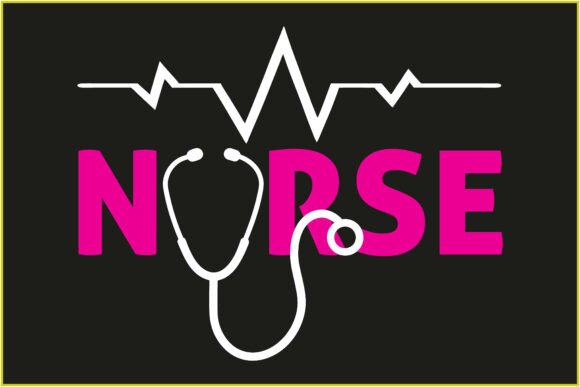
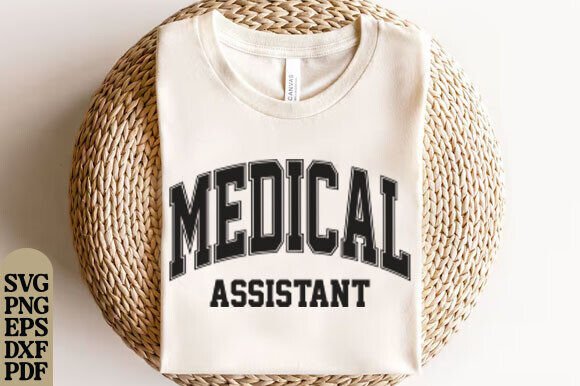
When I opened Medical Assistant SVG PNG, Medical Shirt for the first time, my eye went straight to its balance—neither overly clinical nor too cartoonish. It reads as warm professionalism: a subtle stethoscope curling beside clean sans-serif lettering, with just enough negative space to breathe on fabric. As an embroidery designer who’s stitched hundreds of healthcare-themed projects—from nurse graduation gifts to clinic-branded aprons—I immediately sensed this wasn’t made for generic clipart use. It’s designed to land well on real garments and accessories, especially where clarity and approachability matter more than flash.
How It Holds Up in Real Embroidery Projects
Last week, I used Medical Assistant SVG PNG, Medical Shirt to embroider a set of cotton twill tote bags for a local medical assistant training program. The design scaled cleanly from 3.5" wide (ideal for a left-chest placement) up to 5.25" across a full tote front. On medium-weight fabric with standard cutaway stabilizer, the satin stitch edges stayed crisp, and the lettering held legibility without oversaturation—even at smaller sizes. No thread nesting or puckering, even where the stethoscope loop met the text baseline.
I also tested it on a lightweight baby sweatshirt (60% cotton/40% polyester). Here, the lower stitch density worked in its favor: no stiffness, no shadowing through the fabric. That’s rare for designs with curved elements like this one. For embroidered patch applications, I’d suggest adding a border stitch or backing—but the core layout is already patch-ready thanks to its contained footprint and minimal internal detail.
Where It Shines—and Where to Pause
Medical Assistant SVG PNG, Medical Shirt excels in contexts where tone and trust are part of the product: embroidered caps for clinic staff, pillow covers for new grad nurses, tea towels for healthcare-themed kitchen sets, or personalized holiday gifts for med students. Its visual personality supports handmade presentation without shouting—it feels intentional, not mass-produced.
That said, I’d avoid using it below 2.75" on stretchy fabrics like jersey knits unless you’re using a high-quality tear-away + topping combo. Tiny curves in the stethoscope icon can blur if the stitch count drops too low or tension isn’t dialed in. Also, on dark fabric, test your thread colors carefully—the original PNG preview suggests light gray or navy lettering, but true black thread gives stronger contrast for readability at a glance.
For curved surfaces like baseball caps, keep placement above the mid-crown seam. The design’s horizontal emphasis works best on flat or gently contoured areas—not over deep crown curves or bill peaks. And while it’s perfectly suited for custom apparel, don’t assume it’s optimized for dense fill-stitch backgrounds unless you’ve verified the file’s actual stitch density. Always run a test sew before committing to a batch of 50+ sweatshirts.
What It Adds to Your Craft Business or Etsy Shop
If you’re an Etsy seller or small shop owner offering personalized healthcare gifts, this design quietly elevates perceived value. Customers don’t just see “a medical logo”—they register care, competence, and attention to detail. That translates directly to better engagement on listings, higher conversion on gift-focused searches (“nurse graduation gift,” “medical assistant present”), and repeat buyers who associate your shop with thoughtful curation.
For commercial embroidery clients—think clinics, schools, or professional associations—this design bridges branding and humanity. It’s not sterile, but it’s still polished enough for official use. I’ve used similar layouts for boutique-branded scrub tops, and the feedback was consistently about how “it looks like it belongs” rather than “it looks like clipart.” That distinction matters when you’re building long-term client relationships.
Practical Notes Every Embroidery Designer Should Check
- Test first: Always sew a sample on scrap fabric matching your final project’s weight and stretch.
- Stabilizer matters: Medium-weight cutaway works best for most apparel; switch to tear-away for lightweight baby items.
- Thread contrast: Run black, navy, and charcoal mockups side-by-side—especially if selling digital files for others to embroider.
- Hoop size: Confirm the design fits comfortably within your machine’s largest hoop before digitizing adjustments.
- Licensing: Since this is listed as a T-Shirt Designs graphic with multiple file types (SVG, PNG, EPS, PDF, DXF), verify usage rights before bundling it into a commercial embroidery kit or reselling as part of a larger digital embroidery file collection.
- Small details: Zoom in on the stethoscope earpiece and tubing junction—those are common trouble spots for stitch distortion if scaling down aggressively.
Final Thought: A Quietly Confident Design Choice
Medical Assistant SVG PNG, Medical Shirt won’t dominate a room—but it doesn’t need to. In the world of handmade product development, sometimes the strongest designs are the ones that serve their purpose without apology: clear, respectful, scalable, and quietly confident. Whether you’re stitching a single personalized gift or producing a line of boutique merchandise, this Graphics asset earns its place by doing what good design should—supporting the story of the person wearing it, not competing with it.
Before You Stitch: One Last Checklist
- Check file compatibility with your embroidery software (SVG/EPS/PDF may require conversion).
- Compare how the design renders in both light and dark fabric mockups.
- Review whether the included files support your intended output—e.g., DXF for laser cutting patches, PDF for print-and-embroider guides.
- Confirm licensing allows resale of finished embroidered products (most do—but always double-check).
- Ask yourself: Does this feel like something your ideal customer would proudly wear, gift, or display? If yes—you’re ready.