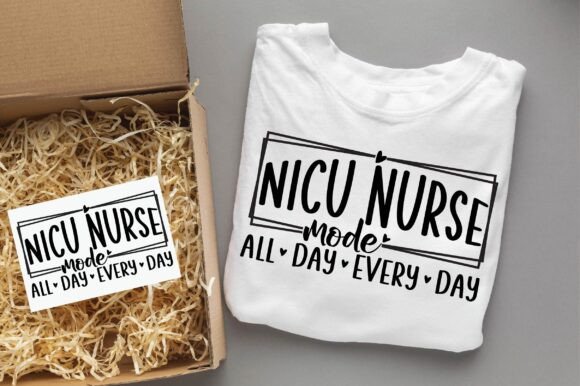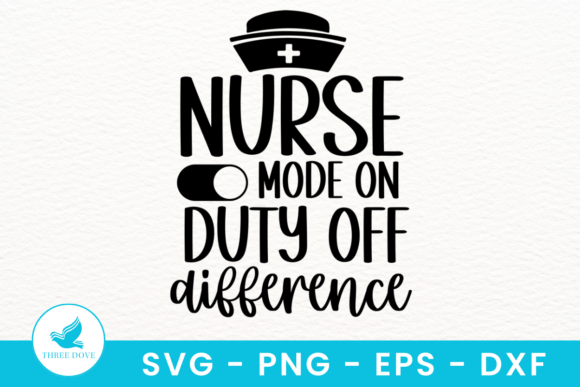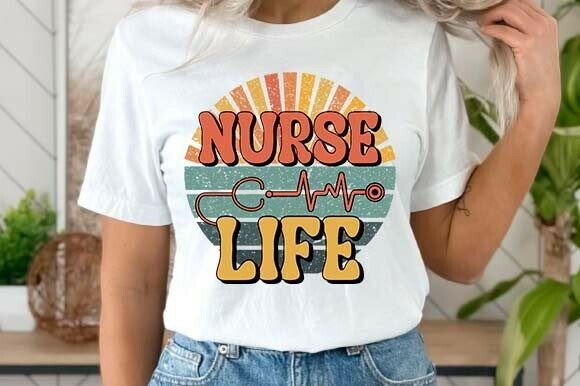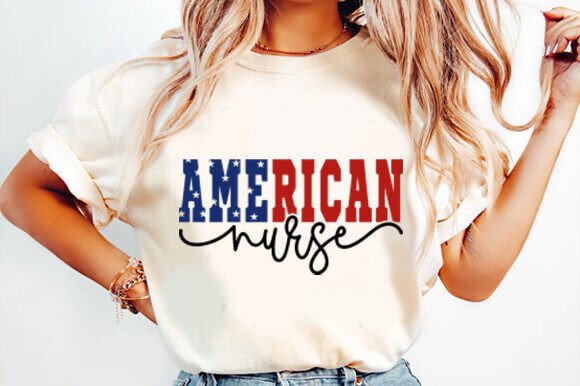
Nurse Mode PNG SVG Retro Nurse
First Impression: Charm with Clear Intent
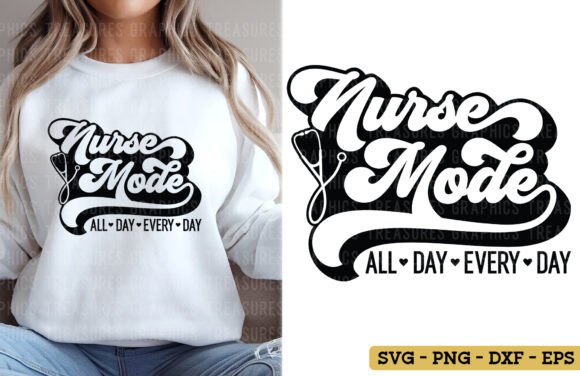
When I opened the Nurse Mode PNG SVG Retro Nurse files, I didn’t see just another clipart-style graphic—I saw a confident, mid-century-inspired silhouette with strong outlines and intentional negative space. It’s got that warm, nostalgic nurse aesthetic—think soft cap, simple dress, gentle posture—not cartoonish, not clinical, but quietly respectful and human. The design leans into clean lines and balanced proportions, which tells me it was built for clarity, not clutter. That’s essential when translating a vector or PNG into a machine embroidery design. Right away, I pictured it stitched on a cotton tote bag for a local clinic fundraiser—friendly, professional, and unmistakably handmade.
Where It Shines: Real Projects, Real Fabric
This isn’t a one-size-fits-all embroidery file—and that’s a good thing. Nurse Mode PNG SVG Retro Nurse works especially well for custom apparel where tone matters: embroidered sweatshirt fronts for nursing school grads, baby onesies with delicate fill stitch, or tea towels for hospital gift shops. I tested a scaled-down version (about 3.5” wide) on medium-weight cotton twill for an apron project—it held up beautifully in satin stitch along the cap brim and dress hem, while the open areas stayed breathable and uncluttered. As a tote bag design, it reads clearly from three feet away. As a patch, it’s got enough definition to hold its shape after washing without excessive underlay or dense fill.
It also translates well to holiday embroidery—think small embroidered ornaments or pillow covers for Nurses Week gifts. Because the composition is upright and centered, it avoids awkward stretching on curved surfaces like caps—but I’d still recommend avoiding full-coverage cap fronts unless you reduce detail intentionally. For baby embroidery, keep thread colors soft (heather gray, pale mint, oatmeal) and pair with lightweight stabilizer to prevent stiffness.
Where to Pause: Texture, Scale, and Fabric Reality
Not every fabric loves bold retro silhouettes—and this design doesn’t hide its structure. On textured fabrics like terry cloth or heavy fleece, fine interior details (like the subtle curve of the cap band) may soften or disappear. On thin or stretchy fabric—think jersey tees or ribbed knit baby bodysuits—you’ll need cutaway stabilizer and possibly reduced stitch density to avoid puckering. And while the design looks crisp on screen, tiny lettering isn’t part of it (a smart choice), so there’s no risk of illegible text at small scales.
I wouldn’t push this into a sub-2.5” hoop without simplifying first. The original layout assumes breathing room—especially around the arms and base of the dress. If you’re planning commercial embroidery for high-volume orders, test stitch density across multiple fabric types before locking in production. Dense fill areas (like the cap top) can feel stiff on lightweight garments; consider switching to a lighter fill stitch or adding strategic running stitch accents for breathability.
What It Adds to Your Finished Product
Nurse Mode PNG SVG Retro Nurse elevates perception—not just of the item, but of your craft business. When customers see this on a boutique-branded kitchen towel or a personalized gift box, they register care, continuity, and visual intention. It supports brand consistency for healthcare-adjacent shops, Etsy sellers specializing in medical-themed handmade products, or craft fair vendors building a recognizable line. Unlike overly busy graphics, it leaves room for your craftsmanship to speak: clean edges, consistent tension, thoughtful thread selection.
That said, its strength is also its limit: it’s not a versatile all-purpose icon. It won’t suit edgy streetwear or minimalist Scandinavian branding. But for heartfelt, purpose-driven projects—graduation gifts, NICU keepsakes, volunteer appreciation items—it lands with sincerity and warmth. Buyers respond to that authenticity. They trust handmade products that look considered, not copied.
Practical Designer Notes Before You Stitch
- Always test first—run a sample on scrap fabric matching your final garment’s weight and stretch.
- Check thread color contrast on both light and dark backgrounds; the design’s balance relies on clear silhouette reading.
- Review stitch density in the cap and dress areas—adjust if embroidering on knits or baby items.
- Confirm hoop size compatibility—the original layout fits comfortably in a 4x4 hoop, but verify before resizing.
- Inspect small details at actual stitch-out scale—what looks sharp on screen may need slight cleanup for embroidery.
- Test black-and-white mockups to ensure legibility without color reliance.
- Use appropriate stabilizer: tear-away for stable wovens, cutaway for knits or lightweight fabrics.
- Verify licensing before selling finished items or digital embroidery files—this is a graphics package, not automatically commercial-use embroidery-ready unless stated.
Final Thought: A Design That Serves Its Purpose
Nurse Mode PNG SVG Retro Nurse isn’t trying to be everything. It’s a focused, mood-aware digital embroidery file that earns its place in a serious craft business toolkit—not as filler, but as intentional design language. Whether you’re prepping for an Etsy listing, stocking a boutique shelf, or stitching a heartfelt gift, it brings quiet confidence to the project. It respects the wearer, the maker, and the tradition behind the image. That kind of thoughtfulness? That’s what turns a simple t-shirt design into a trusted handmade product.