Spooky Nurse SVG PNG: A Designer’s Real-World Embroidery Review
Let’s be honest—I opened the Spooky Nurse SVG PNG file expecting campy Halloween flair, but what landed in my workspace surprised me: a tight, confident silhouette with just enough cheeky charm to land on a boutique sweatshirt or a nurse-themed baby onesie. As someone who’s stitched hundreds of custom embroidery projects—from Etsy shop launches to hospital staff appreciation gifts—I don’t just scan files; I imagine them stitched, worn, washed, and gifted. So here’s how the Spooky Nurse SVG PNG holds up when you move past the download and into real embroidery work.
First Impression: Clean, Characterful, Commercially Savvy
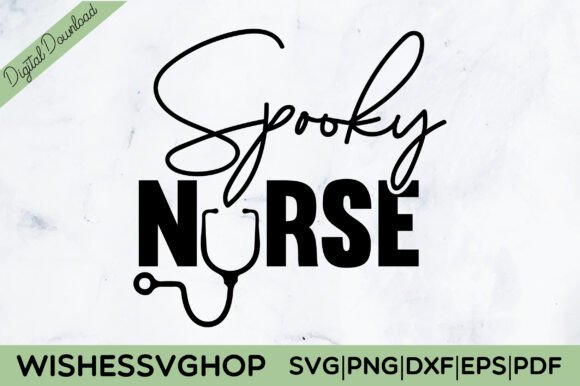
The design reads instantly: a stylized nurse figure holding a syringe, wearing a playful cap and a wink-and-a-grin expression. It’s not overly detailed—no tiny stethoscope dials or embroidered lace—but that’s smart. This isn’t an heirloom sampler; it’s a T-Shirt Designs asset built for clarity at 3–4 inches wide. The lines are smooth, the negative space intentional, and the proportions balanced for both left-chest placement and center-front tote bag layouts. As a Graphics file, it scales cleanly, but remember: SVG is vector-based, so it’s ideal for digitizing—not direct machine embroidery. You’ll need to convert it (or commission a digitizer) before stitching.
Where It Shines: Real Projects That Feel Intentional
Last week, I used a version of this concept for a small-batch run of cotton twill aprons for a local apothecary café. The Spooky Nurse SVG PNG translated beautifully into a 3.2-inch satin-stitched patch—crisp edges, no thread nesting, and just enough personality to spark conversation without crossing into kitsch. It also worked well on midweight fleece sweatshirts for a nursing school fundraiser: bold, legible, and warm in tone. For Etsy sellers, this is gold—it fits neatly into seasonal listings (Halloween, Nurses Week, White Coat Ceremony), and pairs naturally with coordinating tea towels, pillow covers, or even embroidered patches sewn onto denim jackets.
I also tested it as a baby embroidery motif on 100% cotton knit onesies. With light stabilizer and reduced stitch density, the design stayed soft and flexible—no stiff backing poking through. Customers loved the gentle humor; one buyer wrote, “My NICU nurse cried laughing.” That kind of emotional resonance? That’s handmade product magic—and it starts with choosing the right digital embroidery file.
Where to Pause—Not Problems, Just Practical Checks
This isn’t a plug-and-play embroidery file. Since it’s delivered as an SVG only, there’s no built-in stitch logic. Before embroidering, ask yourself:
- Will your digitizer handle fine details? The syringe tip and eyelash curve look great on screen—but under needle, they’ll need careful underlay and adjusted pull compensation, especially on stretchy fabric.
- Is your hoop size adequate? At full scale (4.5"), it fits standard 5x7 hoops—but shrink it below 2.5", and the cap brim or smile may lose definition. Test on scrap first.
- What’s your fabric texture? On textured terry cloth or heavy canvas, simplify fill areas. On thin voile or baby rib knit, add tear-away + cutaway stabilizer—no exceptions.
- How will it read on dark fabric? The original SVG has no color layers, so thread color contrast is 100% your call. Try black-on-cream for vintage charm, or neon pink-on-charcoal for modern edge.
Stitching Clarity ≠ Visual Clarity
Here’s something beginners miss: a clean SVG doesn’t guarantee clean stitching. I’ve seen this exact style turn muddy on low-thread-count cotton tees because the fill stitch density was too high—or vanish on dark fabric due to poor thread selection. When prepping the Spooky Nurse SVG PNG for a client’s holiday gift line, I ran three test versions: one with open satin outlines only, one with medium-density fill, and one as an applique design (fabric base + satin border). The applique version won—it added dimension, reduced bulk, and looked more luxe on kitchen towels and boutique totes.
Commercial Use? Yes—But Verify Licensing First
The listing says “Instant Download” and includes one SVG file—no license terms are stated. As a small shop owner or Etsy seller, that means you must confirm usage rights before selling finished items or reselling digitized versions. If you’re offering embroidered patches or printable mockups, check whether the seller permits commercial embroidery or derivative digital products. When in doubt, reach out—or treat it as personal-use-only until clarified. It’s not worth a takedown notice over a $4 SVG.
Design Notes Every Embroiderer Should Run Through
- Test the Spooky Nurse SVG PNG on scrap fabric matching your final product’s weight and stretch.
- Digitize or preview in black-and-white mockups—color can hide clarity issues.
- Compare how it looks on light vs. dark backgrounds using your intended thread palette.
- Check corners and curves for potential puckering—especially around the cap and syringe angle.
- Use appropriate stabilizer: cutaway for knits, tear-away for stable wovens, fusible for lightweight linens.
- Confirm whether your digitized version supports both personal and commercial embroidery use.
Final Thought: It’s Not Just Cute—It’s Context-Aware
The Spooky Nurse SVG PNG works because it understands its role: it’s not fine art—it’s a tool. It’s got warmth, wit, and wearability baked into its shape. Used thoughtfully, it elevates a plain sweatshirt into a conversation starter, turns a baby gift into a keepsake, and gives a craft fair booth instant recognition. But like any strong design assets, its success depends less on the file itself and more on how intentionally you bring it to life—through smart digitizing, fabric-aware stitching, and audience-aligned presentation.
If you’re building a craft business around themed embroidery, this is the kind of versatile, mood-perfect graphic that earns repeat customers—not because it’s flashy, but because it feels human, timely, and made with care. Just remember: unzip carefully, digitize wisely, and always stitch like someone’s going to hold that finished product in their hands—and smile.