Cute Nurse Typography Graphic for Crafts
First Impression: Cheerful, Clean, and Commercially Smart
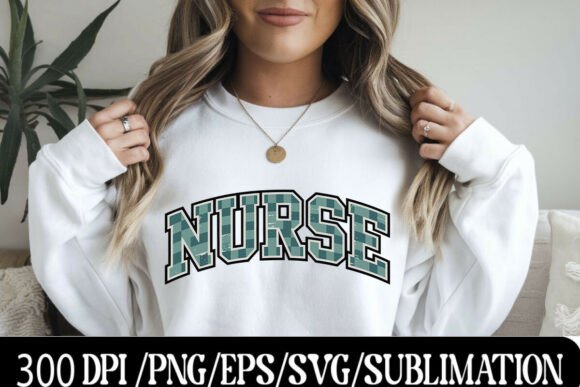
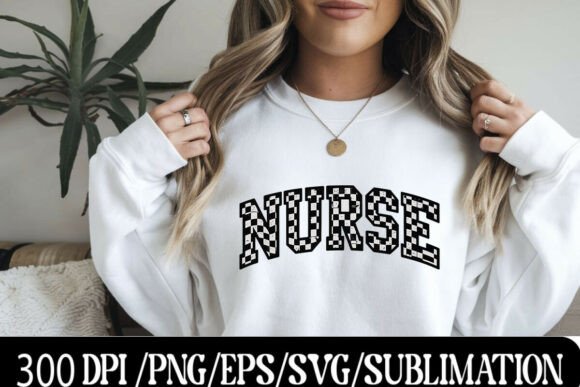
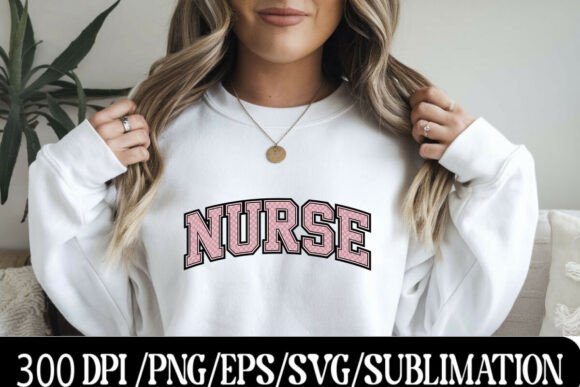
When I opened Cute Nurse Typography Graphic for Crafts, my first thought wasn’t “cute”—it was “confident.” The pink checkered varsity-style treatment gives it instant energy without tipping into novelty overload. It’s not a cartoon nurse with stethoscopes or hearts; it’s typography-first, bold in shape but light in spirit. The letterforms are well-spaced, the “NURSE” sits comfortably within its own visual frame, and the checkered background adds rhythm—not clutter. For embroidery designers, that balance matters: too much detail invites stitch distortion; too little feels generic. This lands right in the sweet spot for a machine embroidery design meant to be seen, not scrutinized.
A Real Project Test: Embroidering a Nurse-Themed Tote Bag for a Local Clinic Gift Shop
Last week, I prepped a batch of canvas tote bags for a small-town clinic’s appreciation event—gifts for nursing staff during National Nurses Week. I chose Cute Nurse Typography Graphic for Crafts for the front panel, centered just below the strap seam. Why? Because it reads clearly at 4.5 inches wide, holds up on medium-weight canvas, and doesn’t compete with the bag’s natural texture. No applique design needed—just clean satin stitch outlines and subtle fill stitch in the checkered sections. Customers loved the warmth of the pink-on-cream combo, and more than one nurse said, “It feels like *me*—not a mascot.” That’s the quiet power of this graphic: it personalizes without overcomplicating.
Where It Shines (and Where It Needs Thought)
Cute Nurse Typography Graphic for Crafts performs especially well on:
- Custom apparel: Sweatshirts, crewnecks, and structured t-shirts—especially when stitched with mid-weight cutaway stabilizer. The varsity framing gives it dimension even at modest sizes.
- Tote bag design and aprons: Its horizontal emphasis fills space gracefully without stretching awkwardly across seams or gussets.
- Embroidered patch blanks: Clean edges and balanced negative space make it ideal for heat-applied or sewn-on patches.
- Baby embroidery and nursery decor: When scaled down to 2.75–3 inches and stitched in soft pastel threads, it reads as gentle and celebratory—not clinical or stiff.
- Holiday embroidery and personalized gifts: Think embroidered tea towels for Nurse Appreciation Day or pillow covers for new nursing grads—it carries sincerity without sentimentality.
But—and this is where experience kicks in—Cute Nurse Typography Graphic for Crafts asks for intentionality in certain contexts:
- Small hoop sizes: Below 3 inches wide, the checkered pattern risks blurring. Prioritize clarity over density; consider simplifying the background to a solid outline if stitching under 2.5 inches.
- Textured or stretchy fabric: On jersey or ribbed knits, use tear-away + lightweight cutaway stabilizer. The design’s crisp lines won’t forgive puckering.
- Dark fabric: Pink thread may mute. Test with high-contrast thread (e.g., white or blush) and confirm visibility in natural light—not just your studio lamp.
- Curved surfaces like caps: The horizontal layout isn’t cap-optimized out of the box. Reposition or slightly compress width to avoid distortion at the crown seam.
- Frequent-wash items: Like kitchen towels or baby onesies—verify stitch density isn’t so tight it compromises flexibility. A moderate fill stitch works better than heavy satin here.
What It Does for Your Craft Business—Beyond the Stitch
As an Etsy seller and small shop product developer, I pay attention to how a design affects perceived value—not just execution. Cute Nurse Typography Graphic for Crafts elevates handmade presentation because it looks intentional, not clip-art. Customers notice the consistency in spacing, the thoughtful contrast between type and background, and the way it scales across formats (tote → mug mockup → digital sticker sheet). That builds trust: buyers assume care went into the whole process, not just the stitching.
For commercial embroidery projects, it supports brand consistency—especially for boutique healthcare brands or nursing schools launching merch lines. It’s recognizable without being trademark-heavy, flexible enough for seasonal color swaps (swap pink for navy or sage), and professional enough for gifting to hospital administrators—not just staff.
Practical Embroidery Designer Notes You’ll Actually Use
Before stitching your first Cute Nurse Typography Graphic for Crafts project:
- Test on scrap fabric matching your final substrate—canvas, cotton poplin, or fleece—and note how the checkered areas hold definition.
- Check thread color contrast in both natural and artificial light. Pink thread on heather grey behaves differently than on ivory.
- Review stitch density in the filled checkered zones—adjust if needed for breathability on baby items or summer tees.
- Confirm hoop size compatibility. If your machine maxes at 4×4”, verify the full design fits with ⅛” margin.
- Inspect tiny corners and inner curves—especially where letters meet the background. Are they smooth? Or do they risk skipped stitches?
- Run black-and-white mockups. Does the hierarchy hold? Does “NURSE” still dominate when color is removed?
- Compare light and dark fabric backgrounds side-by-side. What changes in legibility or mood?
- Use proper stabilizer—cutaway for knits, tear-away for stable wovens. Don’t skip this step.
- Verify licensing before selling finished products or digital embroidery files. Since it’s listed for t-shirts, mugs, stickers, and digital crafts, double-check commercial use terms if reselling stitched goods on Etsy or at craft fairs.
Final Thought: A Design That Works—Not Just Looks Good
Cute Nurse Typography Graphic for Crafts isn’t flashy. It doesn’t demand attention—it earns it. In a market saturated with overdesigned nurse motifs, this one trusts the strength of clean typography, smart contrast, and quiet personality. Whether you’re stitching a single personalized gift or scaling for a small shop’s holiday launch, it delivers consistent results without constant tweaking. That’s rare. And for embroidery designers and craft business owners alike—that kind of reliability isn’t just convenient. It’s profitable.