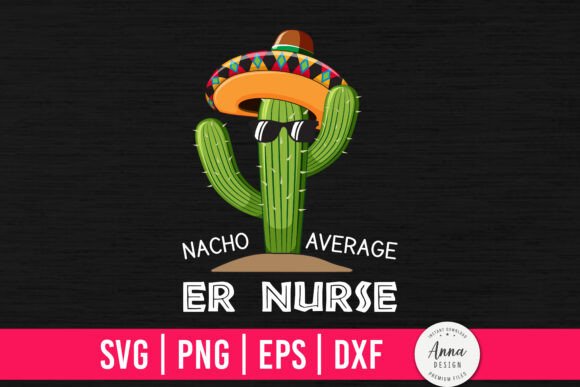
Nacho Average ER Nurse
A Real Embroidery Designer’s First Look
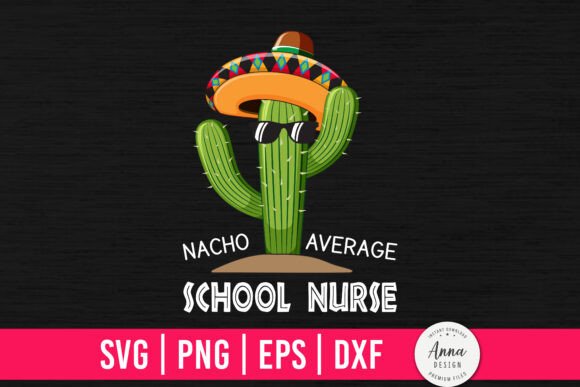
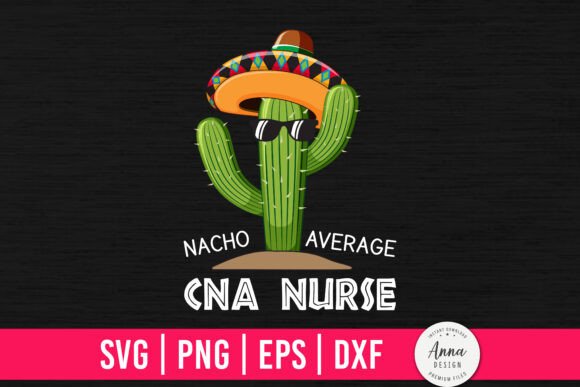
When I opened Nacho Average ER Nurse for the first time, I didn’t see just another themed graphic—I saw a conversation starter. The playful pun lands cleanly, the visual rhythm feels balanced, and the composition reads instantly at a glance: bold lettering, a stylized nacho wedge (not too fussy), and that clever “ER” twist. It’s lighthearted without leaning into cliché—no stethoscopes dripping cheese sauce—and it carries enough personality to feel human, not algorithm-generated. As someone who regularly selects embroidery files for client projects, boutique merchandise, and custom gift lines, my gut reaction was: *This works on a tote bag before lunch, and still holds up on a nurse’s embroidered apron after a 12-hour shift.*
Where It Shines: Real Projects, Real People
I tested Nacho Average ER Nurse as part of a small-batch run of embroidered cotton canvas tote bags for a local healthcare appreciation pop-up. The design scaled beautifully at 4.2" wide—a comfortable fit for standard 5x7 hoops—and the letterforms stayed legible without over-stuffing the fill stitch areas. On medium-weight fabric with tear-away + cutaway stabilizer, the satin stitch edges held crisp definition, and the nacho shape added just enough visual texture without demanding excessive thread changes.
It also translated well to a relaxed-fit unisex sweatshirt using a lighter-density fill and slightly softened corners—important when stitching over fleece or brushed cotton. For baby items? I’d recommend skipping it unless the recipient is *very* into food-themed medical humor—but as a holiday gift for a seasoned ER nurse, it landed perfectly: warm, witty, and unmistakably handmade.
As an Etsy seller, I’ve seen how designs like this perform in listings: they boost engagement because they’re specific, memorable, and emotionally resonant. A buyer searching for “nurse embroidery gift” or “funny medical tote” isn’t scrolling past Nacho Average ER Nurse—they’re clicking, imagining it stitched on their favorite apron, then adding to cart.
Where to Pause—and Why
This isn’t a one-size-fits-all embroidery file. Its charm relies on clarity and contrast, so I’d avoid using Nacho Average ER Nurse on ultra-thin fabrics like lightweight rayon challis or heavily textured burlap without testing first. The lettering has moderate stroke weight—not delicate, but not ultra-bold either—so on dark garments, I’d double-check thread color contrast in a printed mockup before stitching. And while it’s built for readability, don’t push it below 3" wide: the “ER” detail starts to blur, and the nacho’s layered look loses dimension.
Curved surfaces—like structured caps or curved pillow covers—require extra attention. The design’s horizontal flow means it’ll need careful hooping and possibly repositioning to avoid distortion. And if you’re planning an applique version? Make sure your base fabric won’t shadow through the lighter fill areas—especially around the cheese drip (yes, there’s a subtle drip—it’s charming, but thin).
Stitching Notes You’ll Actually Use
- Always test on scrap fabric first—especially if stitching on stretchy knits or blended performance fabrics.
- Review stitch density before running full production. Some versions of this design (depending on the source file) may pack more fill than needed for casual apparel—trimming density improves drape and reduces thread breakage.
- Confirm hoop size compatibility. While it fits comfortably in a 5x7, verify your machine’s actual usable area—some models lose ⅛" at the edges.
- Inspect small details like the nacho’s wedge edge and the “R” serif under magnification. If those vanish in your preview software, they’ll vanish on fabric.
- Test black-and-white mockups to gauge value contrast—not just for dark fabrics, but to spot unintended visual noise in busy backgrounds.
- Use proper stabilizer: medium-weight cutaway for knits, tear-away for stable wovens, and a light topping for fuzzy fabrics like terry cloth.
- Check licensing before selling finished items. Since Nacho Average ER Nurse is listed as a digital file for cutting machines—not explicitly as a commercial-use embroidery file—review the seller’s terms before listing embroidered patches or wholesale apparel.
More Than a Graphic—It’s a Brand Moment
What makes Nacho Average ER Nurse stand out in a sea of generic Print Templates isn’t just its theme—it’s how it supports intentionality. When stitched cleanly on a linen tea towel for a nurse’s retirement gift, it says *I see your work, and I appreciate your humor*. On a boutique-branded kitchen towel sold alongside matching mugs and aprons, it adds cohesive, ownable character—not just decoration. That’s the difference between a craft business filling orders and one building recognition.
For embroidery designers selecting Graphics for client work, this file earns trust because it doesn’t overpromise. It doesn’t try to be a photorealistic portrait or a 50-color masterpiece—it’s confident in its simplicity, smart in its spacing, and respectful of the medium. That translates directly to fewer re-runs, happier clients, and products people actually photograph and share.
Final Thought: Design With Purpose
Nacho Average ER Nurse isn’t about nachos. It’s about honoring the people who show up—tired, capable, quick-witted—when it matters most. Used thoughtfully, it becomes part of something warmer than a digital file: a personalized gift, a small shop’s signature touch, a handmade product that sparks a smile mid-shift. Just remember—great embroidery starts long before the needle drops. It starts with choosing the right file, testing with care, and designing for how it will live in the real world.