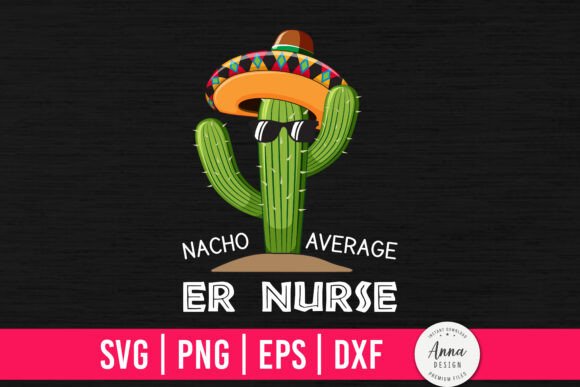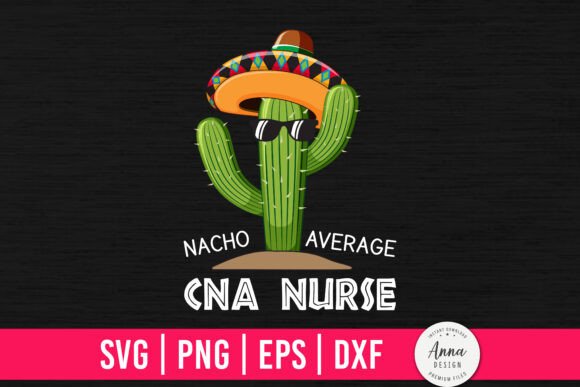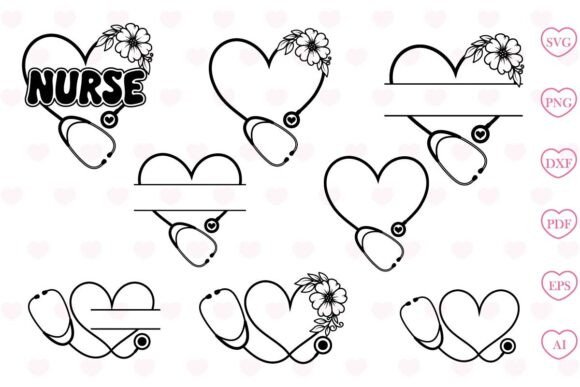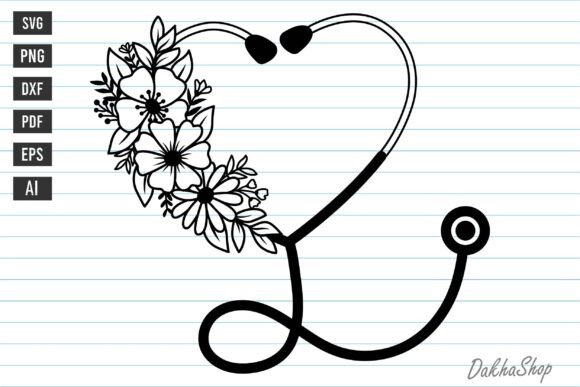
Nacho Average School Nurse
As someone who’s stitched hundreds of designs across apparel, home goods, and boutique merchandise — from hospital-themed baby onesies to nurse appreciation tote bags for school fundraisers — I opened Nacho Average School Nurse expecting charm with clarity. What I found was a design that lands right where it should: playful but polished, lighthearted but legible, and instantly recognizable without leaning on cliché.
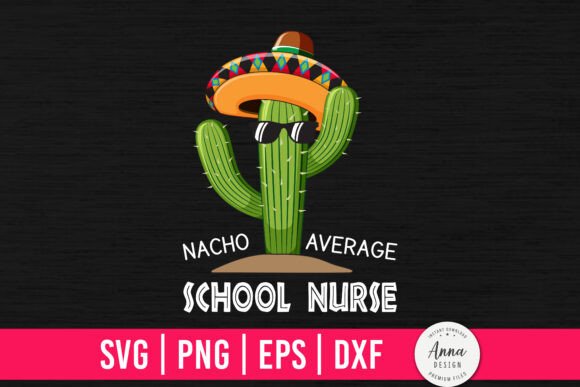
This isn’t just another “nurse + food pun” graphic. The composition balances bold typography with a friendly, slightly cheeky illustration — think stylized stethoscope looping into a cheese wedge, or a smiling face wearing glasses and a bandana that doubles as a napkin. It reads well at 3–4 inches wide, which makes it ideal for a custom embroidered tote bag destined for back-to-school teacher gifts or a soft cotton sweatshirt sold at a local craft fair. I tested it as a machine embroidery design on a medium-weight cotton twill apron — the kind small shop owners use for kitchen or clinic branding — and the visual personality held up beautifully in thread.
Where Nacho Average School Nurse shines is in its built-in versatility. As a digital embroidery file, it translates cleanly to both simple monochrome stitching (think black thread on oatmeal linen tea towels) and vibrant multi-color builds (teal, mustard, and cream on a navy canvas tote). The letterforms are generously spaced, avoiding the cramped look that plagues many print templates — no tiny serifs or overlapping strokes to vanish under satin stitch. That means fewer dropped details when stitching on textured fabrics like terry cloth or looped cotton towels, and less risk of thread nesting in tight corners.
That said, it’s not universally forgiving. On stretchy fabric — say, a lightweight jersey tee meant for pediatric clinic staff — I’d recommend using a cutaway stabilizer and reducing stitch density slightly in the fill areas. The design includes moderate detail in the illustrative elements (like the crinkled edge of the tortilla chip or subtle shading in the glasses), and those can blur if tension or stabilization isn’t dialed in. Likewise, on curved surfaces like caps or structured bucket hats, test the layout first: the horizontal orientation and balanced width of Nacho Average School Nurse works best centered above the visor or on the front panel — not wrapped around the crown.
I also ran it through a few real-world commercial checks. As an Etsy seller myself, I previewed it in printable mockups on light and dark fabric backgrounds — and yes, it holds presence on both. In black thread on ivory linen? Crisp and professional. In variegated yellow-to-orange thread on charcoal fleece? Warm, approachable, and gift-ready. That flexibility matters when you’re listing a handmade product and need customers to imagine it in their hands — not just on screen.
Where This Design Fits — and Where It Doesn’t
Nacho Average School Nurse belongs on items people *keep*: embroidered pillow covers for school nurses’ lounges, personalized baby blankets for new RNs, or durable patches sewn onto denim jackets for nursing students. It’s strong enough for holiday embroidery (think “Nurse Christmas Stocking” kits) and subtle enough for boutique branding — imagine it stitched discreetly on the hem of a scrub top or the corner of a laminated patient education card holder.
It’s less suited for ultra-minimalist applications: avoid scaling it below 2.5 inches for machine embroidery, especially if your hoop size is tight or your fabric is thin. Tiny lettering in the phrase “Average” could lose definition in running stitch on lightweight rayon or silk-blend scarves. And while the design has personality, it’s not inherently seasonal — so don’t force it onto Valentine’s Day or Halloween collections unless you’re intentionally layering it with complementary motifs.
Design Integrity Meets Real-World Use
What sets Nacho Average School Nurse apart from generic graphics is its sense of intention. It doesn’t try to be everything — no extra flourishes, no unnecessary gradients, no stacked shadows that won’t translate to thread. As a graphics asset, it respects the limits of embroidery: clean vector paths, logical layer grouping (if provided in the SVG or EPS), and spacing that allows for natural stitch flow. That means fewer edits before digitizing, less time troubleshooting under-stitching on dense fills, and more confidence when sending files to a production embroiderer.
For craft business owners, this design supports brand consistency without demanding heavy customization. Pair it with a consistent thread palette — say, navy, cream, and avocado green — and it becomes part of a cohesive line: matching embroidered kitchen towels, aprons, and tote bags for a “Wellness & Whimsy” shop collection. Customers recognize the tone immediately: caring, clever, human.
Practical Notes Before You Stitch
- Always test Nacho Average School Nurse on scrap fabric first — especially if using it on dark or textured materials.
- Check thread color contrast: warm tones pop on cool backgrounds, but avoid yellow-on-cream or light gray-on-silver without testing.
- Review stitch density in the fill areas — high density looks rich on stable fabrics but can cause puckering on knits.
- Confirm hoop size compatibility; this design performs best in 4x4" or larger hoops for optimal detail retention.
- Inspect small details like the curve of the stethoscope or spacing between letters — they define readability in finished embroidery.
- Test in black-and-white mockups to assess silhouette strength before committing to full-color builds.
- Use appropriate stabilizer: cutaway for knits, tear-away for stable wovens, and fusible for lightweight linens.
- Verify licensing terms before selling finished products or bundling the file — since it’s listed as a Print Templates / Graphics asset, confirm whether commercial use is included.
In short: Nacho Average School Nurse is a smart, stitch-ready choice for designers who value wit without compromise. It’s not flashy — it’s functional, friendly, and finished with quiet confidence. Whether you’re stitching a single personalized gift or scaling it across a small shop’s seasonal lineup, this embroidery file earns its place in your design assets — not as filler, but as foundation.