Stylish Luckiest Nurse Ever Coquette T-S
First Impressions: Charm with Clear Intent
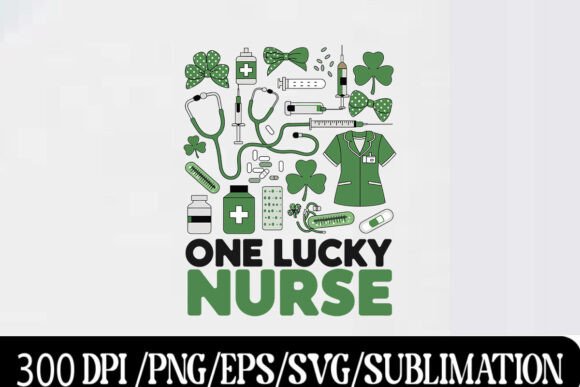
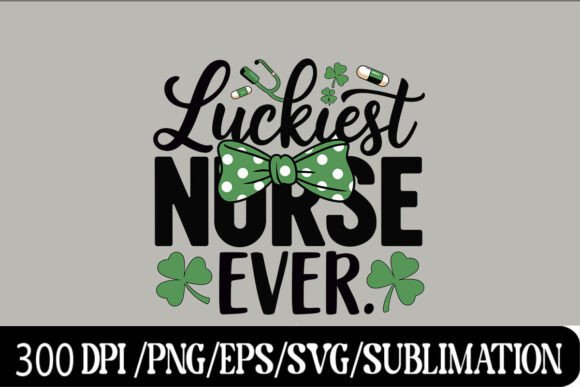
When I opened the Stylish Luckiest Nurse Ever Coquette T-S file, what struck me wasn’t just the Irish flair—it was how immediately readable the concept felt. This isn’t a cluttered “nurse-themed” graphic; it’s a distilled visual sentence: coquette elegance meets clinical warmth. The stethoscope curves like a ribbon, the font leans softly feminine but stays legible, and the overall shape reads cleanly at 3–4 inches wide—ideal for chest placement on tees, totes, or aprons. As an embroidery designer who’s stitched hundreds of nurse-themed pieces, I appreciate that this avoids cliché lace or oversized shamrocks. It whispers “thoughtful,” not “themed party favor.”
A Real-World Test: Embroidering a Nurse-Themed Baby Gift Set
Last week, I used the Stylish Luckiest Nurse Ever Coquette T-S on a custom baby gift set: a cotton knit onesie, a linen tea towel, and a canvas tote—all destined for a labor & delivery nurse’s baby shower. On the onesie, I scaled it to 3.2 inches wide and used a lightweight cutaway stabilizer. The satin-stitched stethoscope outline held beautifully, and the script lettering stayed crisp without feathering—even on the stretchy knit. But on the tea towel? That’s where I paused. The dense fill in the “L” and “E” of “Luckiest” started to pucker slightly on the loosely woven linen. Not a dealbreaker—but a reminder: this design shines brightest on medium-weight, stable fabrics.
Where It Shines (and Where It Asks for Care)
The Stylish Luckiest Nurse Ever Coquette T-S works exceptionally well for:
- Custom apparel: T-shirts, sweatshirts, and lightweight jackets—especially when placed on left-chest or upper back.
- Embroidered patch conversion: Its balanced proportions and clear negative space make it easy to digitize into a clean, sew-on patch.
- Tote bag design: Scales up gracefully to 5 inches without losing charm—great for boutique merchandise or craft fair products.
- Holiday embroidery and wedding gifts: Paired with soft thread colors (heather gray, blush, sage), it feels personal—not promotional.
- Digital embroidery file use: Works smoothly in printable mockups for Etsy sellers needing consistent branding across listings.
Use with extra attention on:
- Small hoop sizes (<4" diameter): The delicate curve of the stethoscope and fine letter spacing need breathing room—don’t cram it into a 3" hoop unless you’re willing to simplify manually.
- Textured or dark fabric: On charcoal fleece or corduroy, the lighter fill areas can blur. Always test thread color contrast—navy thread on black fabric, for example, adds depth without sacrificing clarity.
- Curved surfaces like caps or curved pillow covers: The asymmetrical layout means you’ll want to adjust placement carefully—centering the stethoscope loop over the crown helps balance the visual weight.
- Frequent-wash items (baby clothes, kitchen towels): Confirm stitch density isn’t overly aggressive—tight fills trap moisture and wear faster. A light underlay and moderate density keep it durable.
What It Adds to Your Handmade Product—and What It Doesn’t Promise
This isn’t a “one-size-fits-all” machine embroidery design. It doesn’t try to be bold enough for stadium banners or minimalist enough for monogram-only shops. Instead, it delivers quiet confidence: the kind that makes a customer pause mid-scroll on Etsy and think, “That’s *her*—I know her laugh, her scrubs, her spirit.” That resonance lifts perceived value. A client who orders a personalized gift with the Stylish Luckiest Nurse Ever Coquette T-S isn’t buying ink on fabric—they’re buying recognition. That builds trust, especially for small shop owners curating heartfelt collections.
It also supports brand consistency without demanding uniformity. You can pair it with neutral thread palettes for a boutique look—or go playful with mint and gold for spring-themed craft fair products. Just avoid over-accessorizing: no rhinestones, no heavy metallics. Its strength is its restraint.
Practical Designer Notes Before You Stitch
Before adding the Stylish Luckiest Nurse Ever Coquette T-S to your next project, do these five things:
- Test on scrap fabric first—especially if using textured, stretchy, or dark material.
- Review stitch density in your embroidery software. If fills look overly tight or letters appear jagged at 100% scale, reduce density by 5–8%.
- Confirm hoop size compatibility. If your smallest hoop is 4×4, this design will fit—but check that the tallest point clears the frame edge.
- Inspect small details like the stethoscope earpieces and dot accents. They should translate cleanly in satin stitch—not vanish into fill.
- Check licensing before selling finished products or bundling the Stylish Luckiest Nurse Ever Coquette T-S as part of a digital product. Since it’s listed under T-Shirt Designs and Graphics, verify whether commercial use is included—many coquette-style designs require extended licenses for resale.
And one last note: run a black-and-white mockup. If the design holds visual weight without color, you’ve got a keeper. This one does.
Final Thought: A Design That Earns Its Place
The Stylish Luckiest Nurse Ever Coquette T-S won’t shout from a shelf—but it will linger in memory. It’s the kind of embroidery file that earns repeat use because it fits so many real needs: a thoughtful nurse gift, a boutique’s signature tote, a handmade apron for a clinic fundraiser. It’s not flashy. It’s considered. And in a market crowded with generic clip art, that consideration is the most valuable stitch of all.